
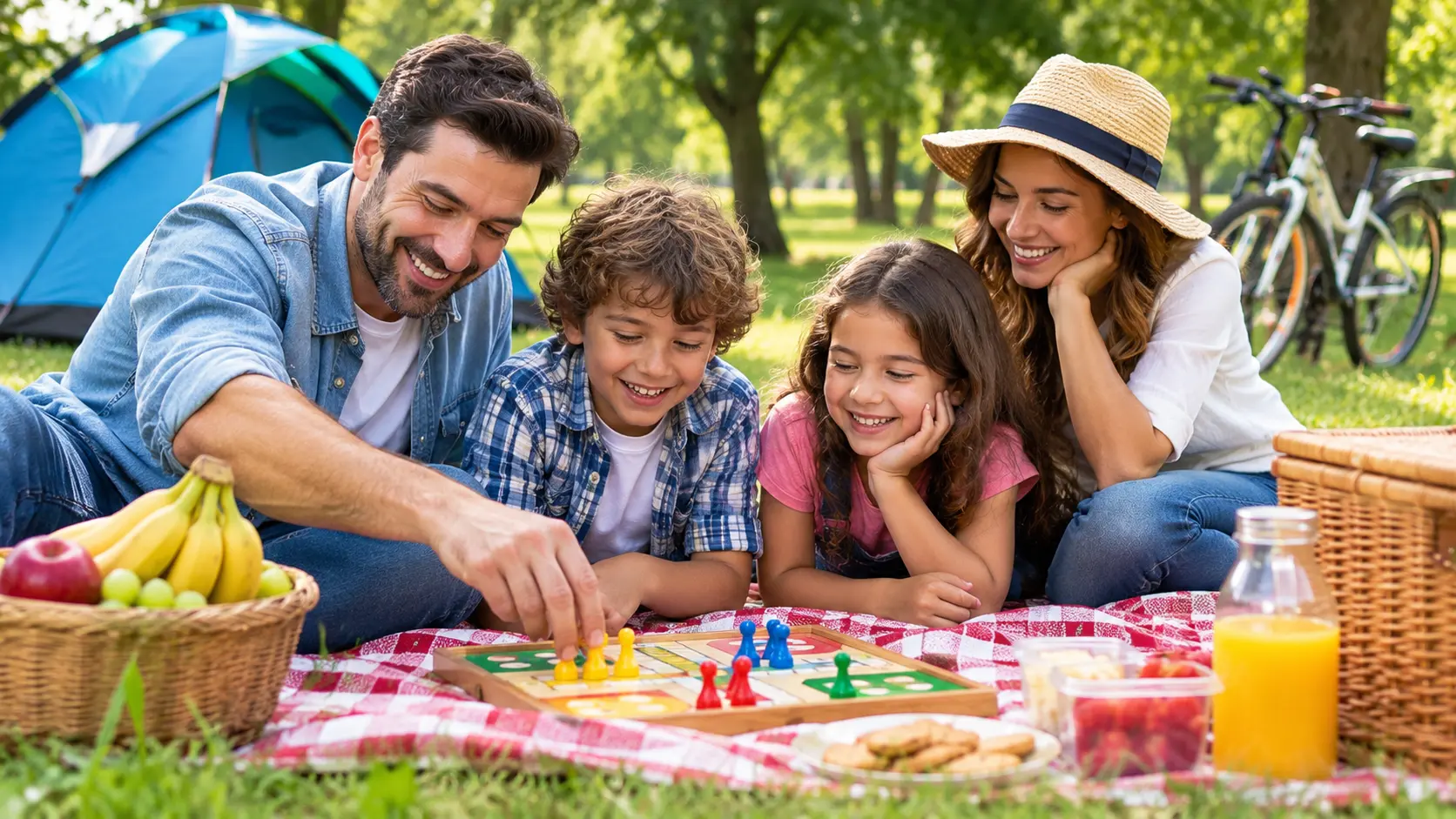
Spending quality time with your family does not have to involve expensive vacations, amusement parks, or costly entertainment. Some of the most memorable family experiences come from simple activities that encourage laughter, creativity, and meaningful conversations. Whether you have young children, teenagers, or relatives of different ages, there are plenty of affordable ways to enjoy time together.
Finding budget-friendly family activities can help you create lasting memories while managing household expenses. From outdoor adventures to creative projects at home, inexpensive family entertainment offers opportunities for everyone to participate. This guide explores seven enjoyable activities, along with practical planning tips to make family time more meaningful without spending more than necessary.
Why Budget-Friendly Family Activities Matter
Family activities provide opportunities to strengthen relationships through shared experiences. Spending time together encourages communication, cooperation, and understanding between family members. These interactions can help children develop social skills while allowing adults to connect outside their usual responsibilities. Enjoyable activities create opportunities for meaningful conversations that may not happen during busy everyday routines.
Affordable family activities also reduce the financial pressure sometimes associated with entertainment. Families do not need to spend large amounts of money to enjoy weekends or special occasions. Simple outings, homemade games, and creative projects can provide hours of enjoyment. Choosing inexpensive entertainment helps families balance recreational experiences with other household priorities.
Another advantage is that low-cost activities can become regular family traditions. A weekly game night or monthly park visit may provide more consistent opportunities for connection than occasional expensive events. Repeating enjoyable experiences can help create familiar routines that everyone looks forward to. These traditions often become meaningful parts of family life.
How to Plan Fun Family Activities on a Budget
Planning affordable family entertainment begins with understanding everyone’s interests and available time. Some family members may enjoy outdoor activities, while others prefer creative projects or indoor games. Discussing preferences helps identify options that feel enjoyable and manageable. A flexible approach makes it easier to include people with different ages and abilities.
Set a comfortable spending limit before choosing an activity. Consider transportation, snacks, supplies, admission charges, and other possible expenses. Many activities can use materials already available at home, reducing the need for additional purchases. Planning ahead can also help prevent unexpected costs from affecting the experience.
Remember that successful family activities do not require complicated schedules or perfect arrangements. Sometimes a simple afternoon together provides the most enjoyable experience. Allow room for spontaneous conversations, changes in plans, and different energy levels. The main purpose is spending meaningful time together rather than completing an elaborate entertainment schedule.
1. Enjoy a Family Picnic at a Local Park
A family picnic is one of the easiest budget-friendly family activities because it combines outdoor relaxation with a shared meal. Local parks often provide open spaces where families can sit, talk, and enjoy fresh air. Preparing food at home helps keep expenses manageable. A picnic can also become an enjoyable break from indoor routines.
Pack simple foods such as sandwiches, fruit, homemade snacks, and water. Bring a comfortable blanket, reusable containers, and any necessary supplies. Choosing foods that are easy to transport makes preparation less stressful. Families can also involve children in selecting snacks and organizing the picnic basket, turning preparation into part of the experience.
After eating, enjoy activities such as walking, casual ball games, or exploring nearby nature trails. Younger children may enjoy observing birds, while older family members might prefer photography or conversation. Check the weather and park rules before leaving home. A relaxed picnic provides opportunities for both activity and quiet family time.
2. Organize a Family Game Night at Home
Family game nights offer affordable entertainment without requiring travel or expensive equipment. Board games, card games, puzzles, and simple guessing activities can bring family members together. Many games encourage communication, cooperation, and friendly competition. Choosing age-appropriate options allows everyone to participate comfortably.
Start by selecting a few games that match the interests of your family. If you already own board games or playing cards, use those before purchasing anything new. Simple activities such as charades and word guessing require very little preparation. Rotating game choices helps maintain variety and gives different family members opportunities to select their favorites.
Create a comfortable atmosphere with homemade snacks and a suitable playing area. Encourage everyone to focus on enjoying the activity rather than winning every round. Cooperative games can be particularly useful when children have different skill levels. Regular game nights can gradually develop into a family tradition that everyone recognizes and enjoys.
3. Explore Nature With a Family Walk or Hike
Nature walks provide an affordable opportunity to spend time outdoors while enjoying gentle physical activity. Families can explore neighborhood parks, public walking paths, or accessible nature trails. These outings encourage curiosity about the environment and create opportunities for conversation. Walking together can also provide a refreshing change from screen-based entertainment.
Choose a route that matches the comfort and abilities of everyone participating. Families with younger children may prefer shorter paths with resting areas, while older children might enjoy longer walks. Bring water and wear comfortable footwear appropriate for the terrain. Checking weather conditions helps make the outing more enjoyable.
Turn the walk into an informal nature exploration activity. Look for different leaves, birds, flowers, or interesting landscape features. Children can describe what they observe or take photographs with a shared device. Avoid disturbing wildlife or removing plants from protected areas. These simple observations can make an ordinary walk feel like a memorable adventure.
4. Plan a Creative Arts and Crafts Afternoon
Arts and crafts activities encourage imagination while providing a practical way to enjoy family time indoors. Drawing, painting, paper folding, and homemade decorations can suit different ages and interests. Many projects use inexpensive supplies or materials already available at home. Creative afternoons allow family members to explore ideas without needing advanced artistic skills.
Gather paper, pencils, cardboard, safe glue, and other suitable materials before beginning. Reusing clean packaging can help reduce costs while encouraging resourcefulness. Families might create greeting cards, decorative artwork, or simple handmade gifts. Allowing everyone to choose their own project supports creativity and individual expression.
Focus on the enjoyment of creating rather than producing perfect results. Younger children may appreciate simple coloring activities, while teenagers might enjoy designing posters or personalizing notebooks. Displaying finished projects at home can make the activity feel meaningful. Shared creative experiences also provide opportunities for conversation and cooperation.
5. Cook or Bake Something Together as a Family
Cooking together turns an everyday responsibility into an enjoyable family activity. Preparing homemade pizza, sandwiches, pancakes, or simple baked treats allows everyone to contribute. Family members can learn useful kitchen skills while spending time together. Choosing recipes based on ingredients already available at home helps reduce additional expenses.
Assign tasks according to age, ability, and comfort. Younger children may help wash vegetables or mix ingredients, while older family members can assist with measuring and preparation. Adults should supervise tasks involving sharp utensils, hot surfaces, or kitchen appliances. Clear responsibilities make cooking more organized and enjoyable.
After preparing the meal, sit together and enjoy the results. Encourage family members to share what they liked about the experience and suggest ideas for another cooking day. Homemade meals can feel especially satisfying when everyone contributes. Cooking together may also help children become more familiar with different ingredients and food preparation skills.
6. Create an Indoor Movie Night Experience
A home movie night is a convenient way to enjoy family entertainment without paying for cinema tickets. Families can select a suitable film, prepare comfortable seating, and create a relaxed viewing environment. Using movies already available through existing subscriptions or owned media helps avoid additional spending. The experience can be enjoyable with very little preparation.
Allow family members to suggest films and choose one that suits the group’s interests and ages. Consider animation, comedy, adventure, or educational documentaries depending on preferences. Preparing homemade popcorn or simple snacks can make the evening feel special. A comfortable room and fewer distractions help everyone enjoy the shared experience.
After the movie, spend a few minutes discussing favorite scenes or interesting ideas. Younger children may enjoy describing their favorite characters, while older family members can discuss the story or its message. These conversations extend the activity beyond watching a screen. Movie nights can become a regular tradition with different themes and film choices.
7. Organize a Backyard or Indoor Treasure Hunt
Treasure hunts provide exciting family entertainment using inexpensive materials and simple planning. Participants follow clues, solve small puzzles, and search for hidden objects around a chosen area. The activity can take place in a backyard, living room, or another safe space. It encourages problem-solving, teamwork, and curiosity.
Create clues based on the ages and abilities of the participants. Younger children may prefer picture clues, while older children and teenagers might enjoy riddles or short challenges. Use familiar household objects as destinations and avoid unsafe hiding places. Small rewards can be optional because completing the hunt can provide its own enjoyment.
Families can also organize the treasure hunt into teams to encourage cooperation. Give everyone a chance to contribute ideas and solve clues. Changing the theme can make future treasure hunts feel different without requiring new equipment. This activity works particularly well for birthdays, weekends, or family gatherings when several people want to participate.
How to Choose Activities for Different Age Groups
Families often include people with different interests, energy levels, and abilities. Choosing activities that allow flexible participation can make shared experiences more enjoyable. A young child may prefer simple games, while a teenager might appreciate creative challenges or greater responsibility. Understanding these differences helps prevent frustration.
Consider adapting the same activity for several age groups instead of planning completely separate events. During a treasure hunt, younger children can follow picture clues while older participants solve more complex riddles. At a picnic, some family members may play games while others relax. Flexible arrangements allow everyone to participate comfortably.
Ask family members for suggestions before finalizing plans. Giving children and teenagers opportunities to make choices can increase their interest and sense of involvement. Adults should also communicate their preferences and practical limitations. Shared decision-making helps create activities that feel inclusive rather than focused on one person’s interests.
Budget-Friendly Family Activities for Rainy Days
Rainy weather does not have to prevent enjoyable family time. Indoor activities such as board games, crafts, storytelling, and cooking can provide entertainment when outdoor plans are unavailable. These options often require supplies already found at home. Keeping a few simple ideas ready helps families adapt when the weather changes.
A rainy afternoon can become an opportunity to build a blanket fort, complete a puzzle, or organize a drawing challenge. Families might also create homemade decorations or work together on a small household project. Choose activities that suit the available space and participants’ abilities. Simple preparation can make unexpected indoor time more enjoyable.
Another option is organizing a themed family day. Everyone might choose a favorite game, prepare a shared snack, or participate in a creative competition. Changing activities throughout the day can help maintain interest without requiring constant entertainment. The goal is to enjoy shared experiences while remaining flexible about the schedule.
Free Outdoor Family Activities for Weekends
Weekends provide opportunities to explore local outdoor spaces without spending much money. Public parks, walking trails, community gardens, and accessible recreational areas may provide suitable options. Availability and admission rules vary by location, so checking details beforehand is helpful. Simple outdoor experiences can provide enjoyable breaks from busy routines.
Families can organize activities such as walking, cycling on suitable routes, casual sports, or outdoor photography. Choose activities that match everyone’s abilities and available equipment. Bringing water and homemade snacks can reduce unnecessary purchases during the outing. Safety considerations, weather conditions, and accessibility should also influence planning.
Outdoor weekends do not need to follow a strict schedule. A relaxed morning walk followed by a picnic may provide enough entertainment for the day. Families can also explore different nearby locations over time. Discovering familiar surroundings together can create enjoyable memories without requiring distant travel.
How to Make Family Activities More Educational
Family entertainment can also introduce valuable learning opportunities without feeling like formal schoolwork. Cooking helps children practice measuring, following instructions, and understanding ingredients. Nature walks encourage observation and curiosity about plants, animals, and the environment. These experiences connect everyday activities with practical knowledge.
Games and puzzles can support problem-solving, communication, and cooperation. Arts and crafts encourage creativity, patience, and experimentation with different materials. Treasure hunts provide opportunities to practice reading clues and thinking through challenges. Learning often happens naturally when children are interested in the activity.
Avoid turning every family experience into a lesson with strict expectations. Children benefit from opportunities to explore, make mistakes, and enjoy unstructured play. Adults can encourage curiosity by asking open-ended questions and listening to different ideas. This approach allows education and entertainment to support each other naturally.
Tips for Saving Money on Family Entertainment
Saving money on family activities begins with using resources already available. Before purchasing supplies, check whether suitable games, craft materials, or outdoor equipment are stored at home. Reusing items can reduce costs and encourage creative thinking. Families may discover enjoyable activities without needing additional purchases.
Look for free community events, public recreational spaces, and local programs when planning outings. Libraries and community centers sometimes organize activities suitable for children and families. Availability varies, so review local schedules and participation requirements. Choosing accessible activities close to home can also reduce transportation expenses.
Plan snacks and meals before leaving for an outing. Buying food at entertainment venues may increase the total cost of an otherwise inexpensive activity. Packing water and homemade refreshments can help manage spending. A practical budget allows families to enjoy experiences without creating unnecessary financial stress.
How to Encourage Teenagers to Join Family Activities
Teenagers may have different interests and schedules from younger children. They often appreciate having a voice in family decisions rather than being expected to participate in every planned activity. Asking for their preferences can help identify enjoyable options. Respecting their growing independence supports positive family relationships.
Consider activities that provide opportunities for creativity, choice, or responsibility. Teenagers might enjoy planning a movie night, organizing a picnic, or designing clues for a treasure hunt. They may also prefer photography walks, cooking projects, or collaborative games. Offering meaningful roles can make participation more engaging.
Avoid pressuring teenagers to enjoy activities that do not match their interests. Sometimes a shorter shared experience is more successful than a long event that everyone feels obligated to attend. Maintaining flexibility helps family time remain positive. The goal is building connections rather than requiring constant participation.
How to Make Family Activities More Memorable
Memorable family experiences often develop from meaningful interactions rather than expensive entertainment. Shared laughter, interesting conversations, and unexpected discoveries can make simple activities special. Giving everyone opportunities to contribute helps create a sense of belonging. Families may remember these moments long after the activity ends.
Creating small traditions can add meaning to regular family time. You might organize a monthly picnic, seasonal craft afternoon, or weekly game night. Repeating familiar activities can create anticipation and shared memories. Allowing traditions to evolve keeps them interesting as children’s preferences and abilities change.
Photographs, handmade artwork, or short family journals can help preserve meaningful experiences. However, documenting every moment is not necessary. Sometimes putting devices aside allows everyone to focus more fully on the activity. Enjoying the experience together matters more than creating a perfect record of it.
Why Simple Family Activities Can Strengthen Relationships
Shared activities create opportunities for communication outside everyday responsibilities. Families often spend time discussing school, household tasks, and work schedules without having many relaxed conversations. Recreational activities provide a different setting for connection. These interactions can help family members better understand one another’s interests and perspectives.
Cooperative games, cooking projects, and creative challenges encourage people to work toward common goals. Participants practice listening, sharing responsibilities, and responding to different ideas. Small disagreements may occur, but they can provide opportunities to practice respectful communication. Positive shared experiences help strengthen family relationships over time.
The quality of time together matters more than the amount spent on entertainment. An enjoyable walk or simple board game can create meaningful interaction when everyone feels included. Families benefit from flexible routines that allow connection without excessive pressure. Regular shared experiences can become an important part of supportive family life.
How to Create a Monthly Family Activity Plan
A monthly activity plan can make family time easier to organize around existing responsibilities. Start by identifying suitable weekends or evenings when most family members are available. Consider school schedules, work commitments, and other obligations. Choosing realistic times helps reduce cancellations and last-minute confusion.
Select a variety of activities that balance indoor entertainment, outdoor experiences, and creative projects. For example, one weekend might include a picnic, while another focuses on a family game night. Alternate between activities chosen by different family members. This approach encourages participation and keeps the plan interesting.
Keep the schedule flexible enough to accommodate changes in weather, energy, or personal preferences. A planned outdoor trip can become an indoor movie night when necessary. Review which activities everyone enjoyed and use that feedback for future planning. A simple monthly routine can help families spend time together more consistently.
Conclusion
Budget-friendly family activities provide enjoyable opportunities to connect without spending large amounts of money. Simple experiences such as picnics, game nights, nature walks, creative projects, cooking, movie nights, and treasure hunts can bring family members together. These activities encourage communication, cooperation, and shared enjoyment. Their flexibility makes them suitable for many different ages and interests.
Planning affordable family entertainment does not require expensive equipment or complicated arrangements. Using materials already available at home, exploring public spaces, and preparing homemade snacks can help manage expenses. Involving family members in decisions also makes activities more enjoyable. The most successful experiences are often those that reflect everyone’s interests and comfort.
Creating meaningful family memories depends more on shared attention than financial spending. Regular activities can gradually become enjoyable traditions that strengthen relationships and encourage positive communication. Whether you spend an afternoon outdoors or enjoy games at home, simple moments can have lasting value. With thoughtful planning and creativity, affordable family entertainment can become a rewarding part of everyday life.
Frequently Asked Questions
What are the best budget-friendly family activities?
Popular budget-friendly family activities include picnics, board game nights, nature walks, homemade crafts, family cooking sessions, movie nights, and treasure hunts. These options provide entertainment without requiring expensive equipment or admission fees.
How can families have fun without spending money?
Families can enjoy free activities such as walking in public parks, playing games they already own, storytelling, drawing, and organizing indoor challenges. Using available resources helps create enjoyable experiences without additional expenses.
What are some affordable outdoor activities for families?
Affordable outdoor activities include nature walks, park picnics, cycling on suitable routes, outdoor photography, and casual sports. Public recreational spaces often provide opportunities for family entertainment with little or no admission cost.
How do you entertain teenagers on a family budget?
Teenagers may enjoy cooking challenges, photography walks, movie nights, collaborative games, and creative projects. Allowing them to choose activities and contribute ideas can make family time more engaging and enjoyable.
Why is spending quality time with family important?
Quality family time encourages communication, cooperation, and stronger relationships. Shared activities provide opportunities to understand one another, create positive memories, and enjoy meaningful experiences outside everyday responsibilities.