
Parenting is one of life’s most rewarding experiences, but it also comes with daily challenges, emotional moments, and difficult decisions. Every parent wants to raise happy, confident, and responsible children while building a loving family environment. However, managing behavior, handling disagreements, and balancing responsibilities can sometimes feel overwhelming, especially when children are growing and developing new needs.
Learning positive parenting tips for everyday life can help parents create stronger relationships, encourage healthy behavior, and support children’s emotional development. Positive parenting focuses on communication, understanding, encouragement, and respectful boundaries rather than fear or harsh punishment. This guide explores ten practical positive parenting strategies that can make daily family life more peaceful, supportive, and enjoyable for both parents and children.
1. Build a Strong Emotional Connection With Your Child
Building a strong emotional connection is one of the most important positive parenting tips for creating a healthy family relationship. Children benefit from feeling loved, accepted, and understood, especially during challenging moments. Spending meaningful time together helps establish trust and gives children the confidence to express their feelings without worrying about constant criticism or rejection.
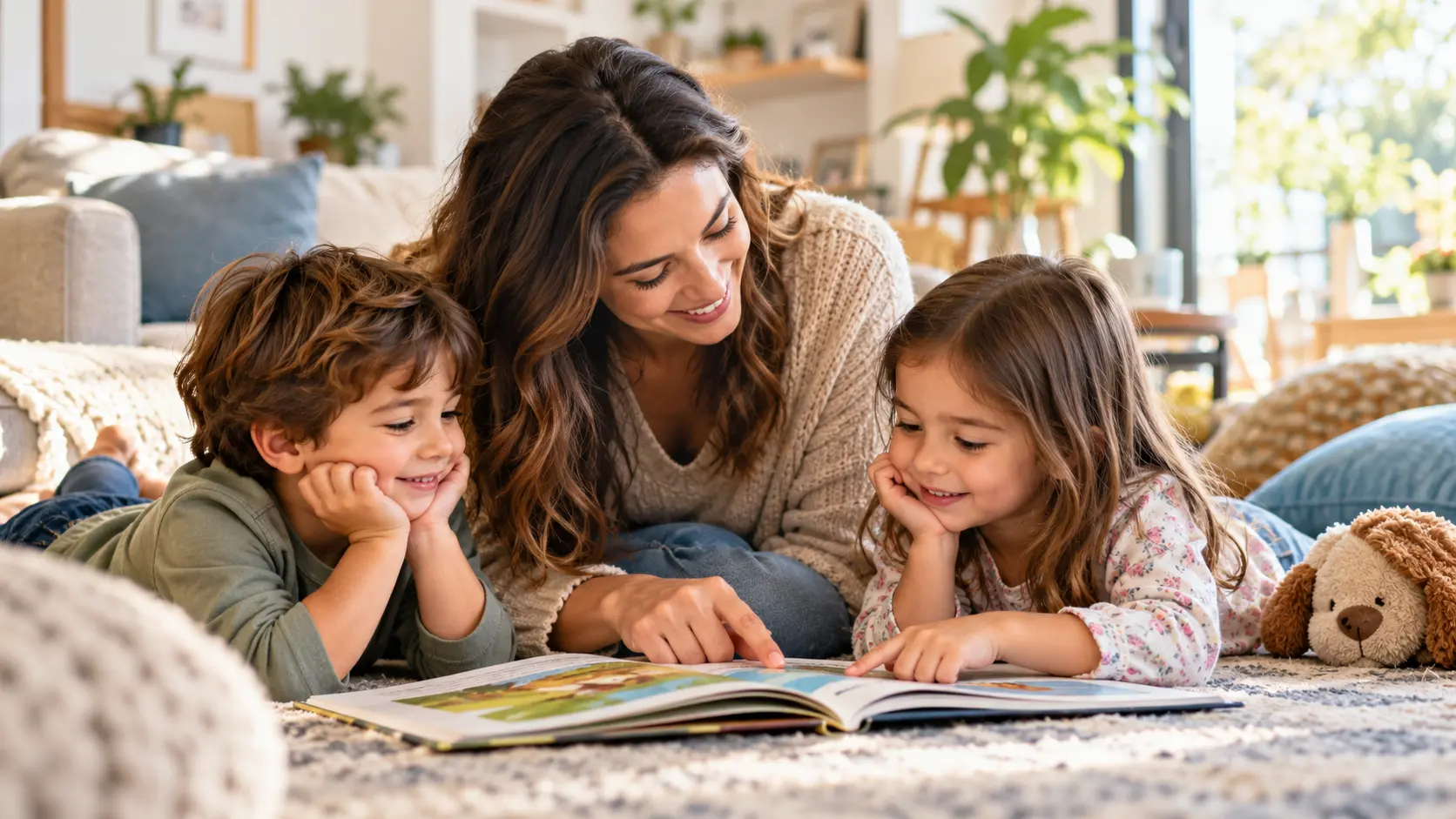
Quality time does not require expensive activities, elaborate plans, or hours of uninterrupted attention every day. Simple experiences such as reading together, preparing meals, playing games, or talking after school can strengthen family relationships. What matters most is being emotionally present, showing genuine interest, and allowing children to feel that their thoughts and experiences are important.
Parents can also strengthen emotional bonds through everyday expressions of affection, encouragement, and appreciation. Some children enjoy hugs and physical closeness, while others prefer conversations, shared activities, or supportive words. Respecting individual preferences helps children feel comfortable and valued. Over time, consistent emotional connection creates a foundation for trust, cooperation, and open communication throughout different developmental stages.
2. Practice Active Listening and Open Communication
Active listening is an essential positive parenting technique that helps children feel respected and understood. Instead of immediately offering advice or correcting behavior, parents should give children opportunities to explain their thoughts and feelings. Making eye contact when comfortable, avoiding unnecessary interruptions, and asking thoughtful questions can encourage children to communicate more openly about everyday experiences.
When children describe a difficult situation, acknowledge their emotions before discussing possible solutions. For example, saying that a disappointing experience sounds frustrating can help a child feel understood without suggesting that every reaction is acceptable. This approach encourages emotional awareness while showing children that their parents are available to provide guidance and support.
Open communication also means creating an environment where children can ask questions and express different opinions respectfully. Parents do not need to agree with every viewpoint, but listening carefully demonstrates that children’s voices matter. Regular family conversations about school, friendships, hobbies, and daily concerns can strengthen trust and make discussing more serious issues easier over time.
3. Set Clear Rules and Consistent Boundaries
Positive parenting does not mean allowing children to do whatever they want without guidance or consequences. Clear expectations and consistent boundaries help children understand acceptable behavior and develop a sense of responsibility. When rules are explained calmly and applied fairly, children are better able to understand how their decisions affect themselves and the people around them.
Family rules should be appropriate for a child’s age, maturity, and individual needs. Younger children often benefit from short, simple instructions, while older children can participate in discussions about expectations and responsibilities. Explaining the reasons behind important boundaries encourages understanding rather than relying entirely on authority. Consistency also helps reduce confusion about what is expected.
When a rule is broken, parents can respond with calm reminders and reasonable consequences connected to the situation. For example, a child who makes a mess can help clean it up instead of receiving an unrelated punishment. The goal is to teach responsibility and cooperation while preserving dignity. Clear boundaries combined with warmth create a supportive environment for healthy development.
4. Encourage Positive Behavior Through Meaningful Praise
Recognizing positive behavior is an effective way to encourage children and strengthen their confidence. Children often respond well when parents notice their efforts, kindness, cooperation, and responsible decisions. Instead of focusing primarily on mistakes, parents can highlight everyday improvements and accomplishments. This approach helps children understand which behaviors contribute to positive relationships and successful learning experiences.
Specific praise is usually more meaningful than repeatedly offering general compliments without explanation. For example, acknowledging how patiently a child helped a sibling demonstrates exactly what behavior was appreciated. Parents can also recognize persistence, creativity, and thoughtful problem-solving rather than emphasizing outcomes alone. This encourages children to appreciate learning and effort even when results are imperfect.
However, positive reinforcement should remain genuine rather than becoming constant approval for every ordinary action. Children also need opportunities to develop their own sense of achievement without depending entirely on external praise. Showing interest in their experiences and asking what they feel proud of can support healthy confidence. Meaningful encouragement helps children recognize their strengths while continuing to grow.
5. Give Children Age-Appropriate Choices and Independence
Allowing children to make suitable decisions helps them develop independence, confidence, and problem-solving abilities. Positive parenting encourages parents to provide guidance while gradually increasing children’s responsibilities as they mature. Offering reasonable choices demonstrates trust and teaches children that their preferences matter within appropriate boundaries. This approach can also reduce unnecessary disagreements over everyday routines.
Younger children may enjoy choosing between two outfits, selecting bedtime stories, or deciding which healthy snack they prefer. Older children can take greater responsibility for organizing homework, managing personal belongings, and planning age-appropriate activities. Providing choices within clear limits gives children opportunities to practice decision-making without placing overwhelming responsibilities on their shoulders.
Parents should also allow children to experience manageable mistakes and learn from the results of their decisions. Immediately solving every problem can prevent valuable learning opportunities, while offering supportive guidance encourages growth. Independence should increase gradually according to each child’s abilities and circumstances. A balanced approach helps children become more capable while knowing that parental support remains available.
6. Respond Calmly to Difficult Emotions and Behavior
Children experience frustration, disappointment, sadness, and anger as they learn to understand and manage their emotions. Positive parenting encourages adults to respond with patience rather than reacting immediately with shouting or harsh criticism. Recognizing that emotional regulation develops over time helps parents approach challenging behavior with realistic expectations and a greater sense of understanding.
When children become upset, parents can acknowledge their feelings while maintaining appropriate behavioral boundaries. For example, explaining that anger is understandable but hurting others is not acceptable separates emotions from actions. Younger children may need help naming their feelings, while older children may benefit from space and a calm conversation after the situation has settled.
Parents can also teach simple emotional regulation strategies, such as taking a comfortable break, talking about feelings, or using calming breathing exercises. These techniques work best when introduced during peaceful moments rather than only during disagreements. Children develop emotional skills gradually through repeated guidance, encouragement, and supportive examples. Remaining calm helps create an environment where emotional learning becomes possible.
7. Teach Problem-Solving Skills Instead of Relying on Punishment
Teaching problem-solving skills is one of the most practical positive parenting strategies for everyday challenges. Instead of focusing exclusively on what went wrong, parents can help children understand why a problem occurred and how to respond differently. This approach encourages responsibility, thoughtful decision-making, and cooperation while helping children develop useful skills for future situations.
When disagreements arise, parents can ask age-appropriate questions that encourage children to consider possible solutions. For example, siblings arguing over a shared activity might discuss taking turns, choosing another game, or agreeing on a schedule. Adults can guide the conversation while allowing children to suggest reasonable ideas. This process teaches negotiation, patience, and respect for different perspectives.
Problem-solving does not eliminate the need for boundaries or appropriate consequences when behavior causes harm. Instead, it provides an opportunity to combine accountability with practical learning. Children can be encouraged to repair mistakes, apologize sincerely when appropriate, and consider how their actions affect others. These experiences support emotional maturity and help develop healthier approaches to future disagreements.
8. Be a Positive Role Model Through Everyday Actions
Children learn important habits and social behaviors by observing the adults who care for them. Parents who demonstrate patience, honesty, kindness, and respectful communication provide practical examples of positive behavior. Everyday actions often communicate values more effectively than repeated instructions. Modeling the qualities you want children to develop helps make family expectations clearer and more meaningful.
For example, parents can demonstrate respectful disagreement by discussing problems calmly rather than using insults or shouting. Showing gratitude, acknowledging mistakes, and treating others fairly also teaches valuable life lessons. Children may not immediately copy every positive behavior, but repeated exposure to constructive communication provides examples they can gradually learn to follow.
Being a positive role model does not require perfection because every parent experiences difficult moments and occasional frustration. What matters is demonstrating responsibility when mistakes happen and making genuine efforts to improve. Apologizing after an unnecessary harsh reaction can teach children that accountability is important at every age. Authentic behavior helps build respect, trust, and healthy family relationships.
9. Create Healthy Routines and Spend Quality Family Time
Consistent routines can make everyday family life more organized and predictable for children and parents. Regular schedules for meals, sleep, schoolwork, and relaxation provide structure while reducing unnecessary confusion. Children often feel more secure when they understand what to expect during the day. However, routines should remain flexible enough to accommodate changing needs and unexpected circumstances.
Family activities can also create meaningful opportunities for connection without requiring complicated planning. Cooking dinner together, taking neighborhood walks, sharing stories, or enjoying occasional game nights can strengthen relationships. Parents can encourage children to participate in selecting activities that match their interests. These shared experiences support communication and create positive memories across different stages of childhood.
Healthy routines should include opportunities for rest, physical activity, creativity, and appropriate personal time. Older children and teenagers may need greater flexibility as school responsibilities, friendships, and interests become more complex. Involving them in planning family schedules encourages cooperation and mutual respect. A balanced routine supports well-being while making everyday responsibilities easier to manage.
10. Practice Patience, Self-Care, and Realistic Expectations
Positive parenting requires patience because children develop emotional, social, and practical skills at different rates. Every child has a unique personality, learning style, and set of needs that influence how they respond to guidance. Comparing children with siblings or peers can create unnecessary pressure and frustration. Focusing on individual progress encourages a more supportive and understanding family environment.
Parents also need to care for their own physical and emotional well-being to manage everyday responsibilities effectively. Getting adequate rest, maintaining supportive relationships, and allowing time for enjoyable activities can make stressful situations easier to handle. Asking trusted family members or appropriate professionals for support is a responsible choice when challenges become difficult to manage alone.
Realistic expectations are especially important because positive parenting does not produce perfect behavior or eliminate disagreements. Children will make mistakes, test boundaries, and experience difficult emotions as they grow. Parents will also have moments when their responses are less patient than intended. Recognizing these experiences as opportunities for learning helps families focus on progress, understanding, and stronger relationships.
Conclusion
Positive parenting is about creating a loving, respectful, and supportive environment where children can develop confidence, responsibility, and emotional awareness. Simple habits such as active listening, meaningful encouragement, and consistent boundaries can make a significant difference in everyday family relationships. The most effective positive parenting tips are often small actions practiced regularly rather than complicated techniques applied occasionally.
Building emotional connections, teaching problem-solving skills, and modeling respectful behavior help children navigate challenges while feeling supported. Giving age-appropriate independence and responding calmly to difficult emotions can also encourage healthy development. Parents should remember that every child is different, making flexibility, patience, and understanding essential parts of effective parenting.
By incorporating these ten positive parenting tips into everyday life, families can strengthen communication, reduce unnecessary conflict, and create more opportunities for meaningful connection. Parenting will always involve challenges, but thoughtful responses and realistic expectations can make those experiences easier to manage. The goal is not perfection but a consistent commitment to learning, growing, and supporting one another.
Frequently Asked Questions (FAQs)
What are the most important positive parenting tips?
The most important positive parenting tips include building emotional connections, practicing active listening, setting clear boundaries, and encouraging responsible behavior. Patience, respectful communication, and consistent support also help children develop confidence and emotional awareness.
How can parents practice positive parenting every day?
Parents can practice positive parenting by spending quality time with their children, acknowledging emotions, offering appropriate choices, and recognizing positive behavior. Small daily actions often create meaningful improvements in family communication and relationships.
What is the difference between positive parenting and permissive parenting?
Positive parenting combines warmth, understanding, and encouragement with clear expectations and appropriate boundaries. Permissive parenting generally involves fewer limits and less consistent guidance, which can make it harder for children to understand responsibilities.
How can parents discipline children without shouting?
Parents can use calm communication, clear expectations, logical consequences, and problem-solving discussions to guide behavior. Explaining rules and responding consistently helps children understand responsibility without relying on shouting, humiliation, or harsh punishment.
At what age should positive parenting begin?
Positive parenting can begin during infancy through responsive care, affection, and consistent routines. As children grow, parents can introduce age-appropriate boundaries, communication strategies, responsibilities, and opportunities for independence that support healthy development.