
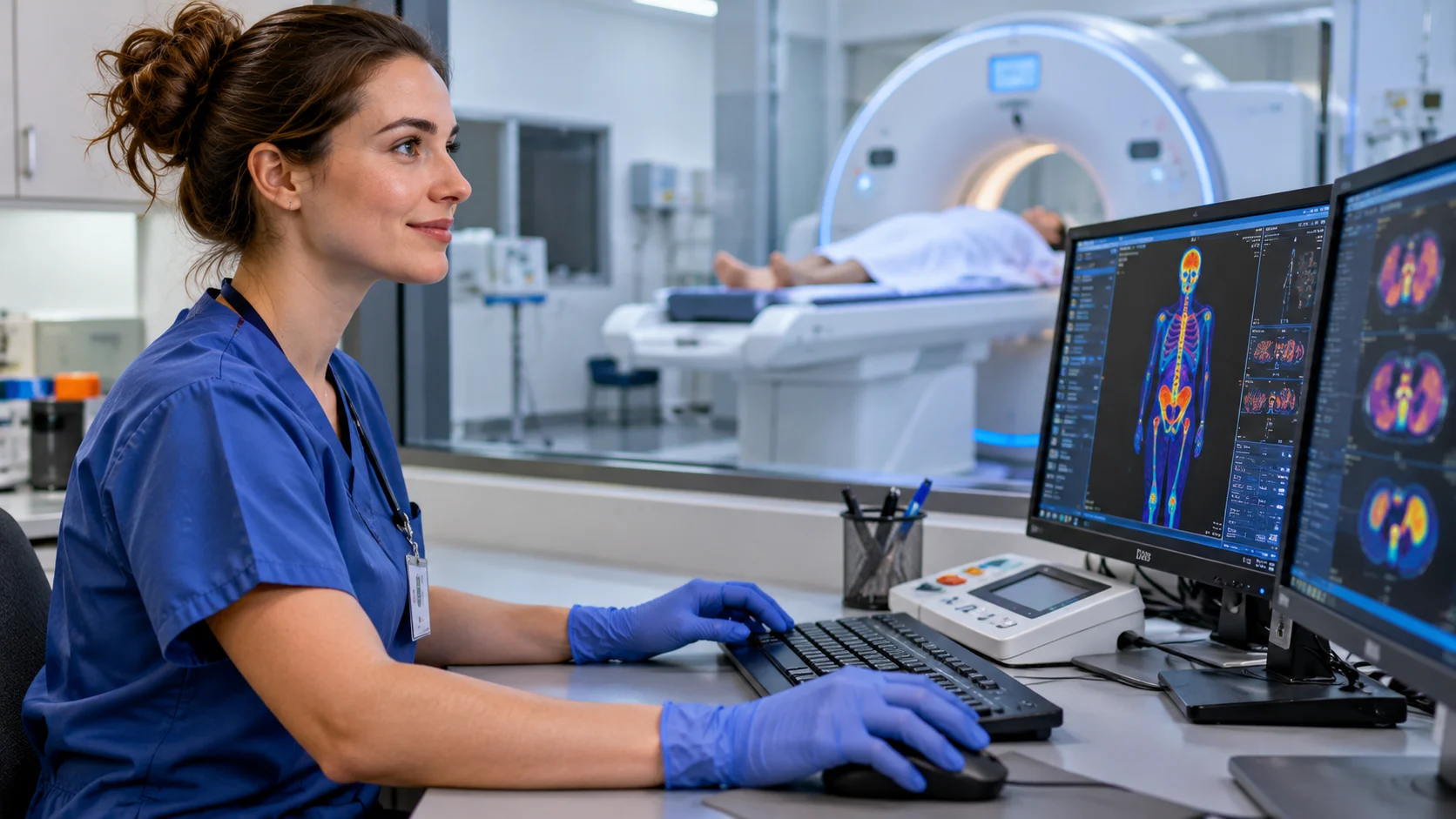
A nuclear medicine technologist is a healthcare professional who uses specialized imaging equipment and radioactive medications to help doctors diagnose and treat medical conditions. These professionals play an important role in detecting cancer, evaluating heart function, and examining organs. The career combines medical knowledge, advanced technology, and direct patient care. It can be a rewarding choice for people interested in science and healthcare.
The demand for medical imaging professionals has created career opportunities in hospitals, diagnostic centers, and specialized healthcare facilities. Nuclear medicine technologists work with sophisticated equipment while following strict safety procedures. Their responsibilities require technical accuracy, communication skills, and attention to patient comfort. Understanding the education requirements and daily responsibilities is essential before entering this field.
A nuclear medicine technologist salary can also make this career attractive to individuals considering healthcare professions. In the United States, earnings vary according to experience, geographic location, employer, and professional credentials. Career advancement may involve additional certifications, specialized imaging, or management responsibilities. This guide explains the salary, educational pathways, job outlook, and career opportunities associated with nuclear medicine technology.
What Is a Nuclear Medicine Technologist?
A nuclear medicine technologist is a trained medical imaging professional who prepares and administers small, carefully controlled amounts of radioactive medication called radiopharmaceuticals. These substances help specialized cameras detect activity inside the body. The resulting images provide information about organ function and certain diseases. Physicians use these findings to support diagnosis, treatment planning, and medical monitoring.
Unlike traditional X-rays, which primarily show anatomical structures, many nuclear medicine procedures reveal how organs and tissues function. Technologists operate specialized cameras to produce diagnostic images that doctors interpret. Common examinations involve the heart, bones, kidneys, thyroid, and other organs. Some technologists also assist with therapeutic procedures involving radioactive medications under authorized medical supervision.
The profession requires a combination of scientific knowledge and compassionate patient care. Nuclear medicine technologists explain procedures, prepare patients, and monitor them throughout imaging examinations. They also maintain equipment and follow established radiation safety protocols. Their work supports accurate medical information while helping patients feel informed and comfortable during potentially unfamiliar examinations.
What Does a Nuclear Medicine Technologist Do?
The daily responsibilities of a nuclear medicine technologist begin with reviewing examination requests and preparing patients for procedures. Technologists confirm patient information, explain what will happen, and check relevant medical histories according to facility protocols. They also prepare radiopharmaceuticals using approved procedures. Accurate preparation and administration are essential for producing useful images and maintaining patient safety.
During imaging procedures, technologists position patients and operate specialized equipment to collect diagnostic information. Depending on the examination, they may use gamma cameras, SPECT scanners, or PET imaging systems. They check image quality and follow established protocols throughout the procedure. Physicians then interpret the completed images and determine their clinical significance.
Additional responsibilities include maintaining records, inspecting equipment, and following radiation protection requirements. Technologists may coordinate with radiologists, nuclear medicine physicians, nurses, and other healthcare professionals. Some positions involve scheduling examinations and assisting with quality assurance activities. These responsibilities make organization, teamwork, and accurate documentation important parts of daily professional practice.
Nuclear Medicine Technologist Salary in the United States
The median nuclear medicine technologist salary in the United States was $101,370 per year in May 2025, according to federal occupational wage data. This equals approximately $48.74 per hour for a typical full-time schedule. Median pay means half of employed technologists earned more and half earned less. Actual compensation varies considerably across employers and locations.
The lowest-paid 10% of nuclear medicine technologists earned less than $78,080 annually, while the highest-paid 10% earned more than $134,500. These figures reflect the overall occupation rather than guaranteed starting salaries. New graduates may earn less than experienced professionals working in specialized positions. Local labor markets and individual qualifications can influence available compensation.
Workplace setting also affects nuclear medicine technologist earnings. In May 2025, median annual pay was approximately $101,280 in hospitals and $103,410 in medical and diagnostic laboratories. Some outpatient care facilities reported substantially higher median wages. These differences should be evaluated alongside working hours, location, responsibilities, and available employee benefits.
Factors That Affect Nuclear Medicine Technologist Salary
Professional experience is one of the factors influencing nuclear medicine technologist pay. Newly qualified technologists often begin in general imaging positions while developing clinical judgment and technical confidence. Experienced professionals may become eligible for specialized assignments or supervisory responsibilities. However, higher earnings depend on employer policies, market conditions, and the value of additional qualifications.
Geographic location can create substantial differences in compensation. Hospitals and imaging centers in higher-cost regions may provide larger salaries than employers in smaller communities. However, living expenses can reduce the practical value of higher wages. Comparing housing costs, transportation expenses, benefits, and career opportunities provides a clearer understanding of compensation.
Additional certifications and specialized skills may influence employment opportunities and salary negotiations. Technologists trained in PET imaging, nuclear cardiology, or hybrid imaging systems may qualify for positions requiring advanced expertise. Evening shifts, weekend schedules, and on-call responsibilities can also affect total earnings. Nevertheless, specialty credentials do not automatically guarantee higher compensation.
How to Become a Nuclear Medicine Technologist
Becoming a nuclear medicine technologist generally begins with completing an appropriate educational program. In the United States, an associate degree is a common entry-level qualification, although bachelor’s degree programs are also available. Educational pathways may differ according to previous healthcare training. Selecting an accredited program is important because accreditation can affect certification and employment eligibility.
Nuclear medicine technology programs combine classroom instruction with supervised clinical training. Students typically study anatomy, physiology, physics, radiation protection, radiopharmacy, and medical imaging procedures. Practical experience helps students understand patient positioning, equipment operation, and professional responsibilities. Clinical placements also provide opportunities to develop communication skills while working under qualified supervision.
After completing an eligible educational program, graduates commonly pursue professional certification. Some states also require a separate license before technologists can practice. Requirements vary by jurisdiction, so students should review local regulations before choosing an educational pathway. Maintaining credentials may involve continuing education and compliance with professional standards throughout a career.
Education and Certification Requirements
An accredited nuclear medicine technology program provides the scientific and clinical foundation needed for professional practice. Coursework generally covers radiation physics, radiobiology, anatomy, patient care, and imaging instrumentation. Students also learn about radiopharmaceutical handling and quality control under appropriate supervision. These subjects help prepare graduates for technical responsibilities and patient safety requirements.
Two major certification organizations in the United States are the Nuclear Medicine Technology Certification Board (NMTCB) and the American Registry of Radiologic Technologists (ARRT). Both organizations maintain professional certification pathways with specific eligibility requirements. Applicants generally must demonstrate appropriate education, clinical competency, and examination readiness. Exact requirements depend on the credential and certification pathway.
Professional development continues after initial qualification. Technologists may pursue additional credentials in positron emission tomography, nuclear cardiology, or computed tomography when eligible. Some employers also require basic life support or other relevant healthcare certifications. Continuing education helps professionals remain familiar with changing imaging technology, safety standards, and accepted clinical practices.
Essential Skills for Nuclear Medicine Technologists
Technical skills are fundamental because nuclear medicine technologists operate sophisticated medical imaging equipment. They must understand imaging protocols, equipment functionality, and established quality assurance procedures. Careful attention to detail helps prevent mistakes during patient preparation and examination workflows. Strong scientific knowledge also supports accurate technical decisions within the technologist’s professional responsibilities.
Communication skills are equally important in nuclear medicine careers. Patients may feel uncertain about imaging procedures or the use of radioactive medications. Technologists explain examinations clearly, answer appropriate questions, and provide reassurance throughout the process. Compassionate communication helps build patient trust while supporting cooperation during procedures that may require remaining still.
Problem-solving, teamwork, and physical stamina also contribute to successful performance. Technologists may spend long periods standing, assisting patients, and coordinating with other healthcare workers. Some examinations require adapting to individual patient needs or equipment limitations. Professionals who remain organized and calm under pressure can contribute to efficient clinical workflows and positive patient experiences.
Where Do Nuclear Medicine Technologists Work?
Hospitals employ the largest share of nuclear medicine technologists in the United States. These professionals often work in departments that provide diagnostic imaging and selected nuclear medicine treatments. Hospital positions may involve patients with complex medical conditions and varied examination requirements. Some facilities operate specialized departments for cardiology, oncology, or other clinical services.
Medical imaging centers and diagnostic laboratories also provide employment opportunities. These workplaces may focus on scheduled outpatient examinations rather than broader hospital services. Technologists perform imaging procedures while coordinating with physicians and administrative staff. Depending on the organization, work schedules may be more predictable than positions requiring overnight or emergency coverage.
Other employment settings include physician offices, research facilities, and specialized treatment centers. Some technologists contribute to clinical research involving imaging technology or diagnostic procedures. Experienced professionals may also work in education, equipment applications, or quality management. Available roles depend on professional qualifications, local healthcare services, and the requirements of individual employers.
Nuclear Medicine Technologist Job Outlook and Demand
The employment outlook for nuclear medicine technologists in the United States indicates moderate growth. Federal projections estimate approximately 4% employment growth from 2025 to 2035, roughly matching the average across occupations. About 800 job openings are projected annually during that period. Many opportunities are expected to arise from workers changing occupations or retiring.
Medical imaging remains important for diagnosing and monitoring numerous health conditions. Nuclear medicine procedures contribute to cancer evaluation, cardiac testing, and assessment of organ function. An aging population may support continued demand for certain diagnostic services. However, employment opportunities can differ according to healthcare funding, regional demand, and technological developments.
Advanced imaging systems may also influence the skills employers seek. Facilities increasingly use technologies that combine functional imaging with detailed anatomical information. Technologists familiar with specialized procedures and evolving equipment may have additional career options. Nevertheless, employment growth should not be interpreted as a guarantee of immediate job placement after graduation.
Career Advancement Opportunities in Nuclear Medicine
Nuclear medicine technologists can pursue professional growth through advanced certifications and specialized clinical experience. PET imaging is one potential area of specialization, particularly in facilities providing oncology and advanced diagnostic services. Nuclear cardiology offers another path for professionals interested in heart-related examinations. Eligibility and required training vary across specialties and certification organizations.
Experienced technologists may advance into lead technologist, department supervisor, or imaging management positions. These roles can involve scheduling, staff training, equipment oversight, and quality improvement responsibilities. Strong leadership and communication skills become increasingly valuable in supervisory positions. Additional education in healthcare administration or management may support certain advancement opportunities.
Teaching and medical technology applications provide alternative career directions. Qualified professionals may assist with clinical education, mentor students, or work with medical equipment manufacturers. Some participate in research programs evaluating imaging methods and clinical workflows. Exploring these options allows technologists to build careers around their interests, experience, and long-term professional goals.
Advantages and Challenges of a Nuclear Medicine Career
One advantage of becoming a nuclear medicine technologist is the opportunity to combine healthcare service with advanced technology. Professionals contribute to diagnostic examinations that help physicians understand medical conditions. The occupation also offers opportunities for specialization and career development. For people interested in medical science and patient interaction, these responsibilities can provide meaningful professional satisfaction.
However, the career includes responsibilities that require careful attention and strict adherence to safety procedures. Technologists work with radioactive materials under regulated conditions and established radiation protection protocols. They may encounter patients experiencing serious illness or physical discomfort. Hospital positions can also involve irregular schedules, extended standing, and demanding clinical workloads.
Educational expenses and certification requirements are additional considerations for prospective students. Completing clinical training requires time, commitment, and consistent academic performance. Professional credentials may also involve continuing education responsibilities. Before entering the profession, individuals should evaluate both its opportunities and demands to determine whether it matches their skills and career expectations.
Is Becoming a Nuclear Medicine Technologist Worth It?
A nuclear medicine technology career may be worthwhile for people who enjoy science, healthcare, and technical problem-solving. The occupation offers opportunities to work directly with patients while using advanced diagnostic equipment. Competitive compensation in some employment markets adds to its appeal. However, personal satisfaction depends on individual interests, working conditions, and professional expectations.
Prospective students should compare educational programs, accreditation status, training expenses, and local employment opportunities. Understanding certification requirements before enrollment can prevent unexpected obstacles after graduation. Speaking with qualified professionals or participating in approved career observation programs may provide useful insights. These steps help students make informed decisions about the profession.
Long-term career satisfaction also depends on willingness to maintain professional knowledge and adapt to technological changes. Nuclear medicine continues to involve specialized equipment, clinical protocols, and evolving diagnostic techniques. Professionals who value accuracy, patient care, and continued learning may find the field appealing. Careful preparation provides a stronger foundation for entering and developing within this healthcare profession.
Conclusion
A nuclear medicine technologist plays an important role in modern healthcare by supporting diagnostic imaging and selected medical treatments. The profession combines technical expertise, patient communication, and detailed safety procedures. Employment opportunities exist in hospitals, diagnostic laboratories, and specialized imaging facilities. Understanding these responsibilities helps prospective students evaluate the profession realistically.
Nuclear medicine technologist salary levels can be competitive, particularly for experienced professionals working in specialized environments. However, earnings depend on location, employer, qualifications, and individual experience. Completing appropriate education and maintaining recognized credentials are important steps toward employment. Additional certifications may support career development and access to more specialized positions.
For individuals interested in medical imaging and patient-centered healthcare, nuclear medicine technology offers a distinctive career pathway. Success requires scientific understanding, attention to detail, and commitment to professional standards. Reviewing educational options and local job requirements can help guide future decisions. With suitable training and realistic expectations, this profession can provide rewarding long-term opportunities.
Frequently Asked Questions
How Much Does a Nuclear Medicine Technologist Make?
The median annual nuclear medicine technologist salary in the United States was $101,370 in May 2025. Actual earnings vary by location, experience, employer, and professional specialization.
How Long Does It Take to Become a Nuclear Medicine Technologist?
Many students complete an associate degree program in approximately two years. Bachelor’s programs generally take longer, while eligible healthcare professionals may qualify through alternative certificate pathways with additional training.
Is Nuclear Medicine Technology a Good Career?
Nuclear medicine technology can be a rewarding career for people interested in medical imaging, science, and patient care. It offers competitive salary potential, specialized career pathways, and opportunities for professional development.
Do Nuclear Medicine Technologists Need Certification?
Most nuclear medicine technologists obtain professional certification, and some states require licensure. Common certification organizations include the NMTCB and ARRT, although eligibility and licensing requirements vary by jurisdiction.
What Is the Difference Between a Radiologic Technologist and a Nuclear Medicine Technologist?
Radiologic technologists commonly use X-rays to produce anatomical images. Nuclear medicine technologists use radiopharmaceuticals and specialized cameras to evaluate physiological processes and help physicians diagnose or monitor medical conditions.