
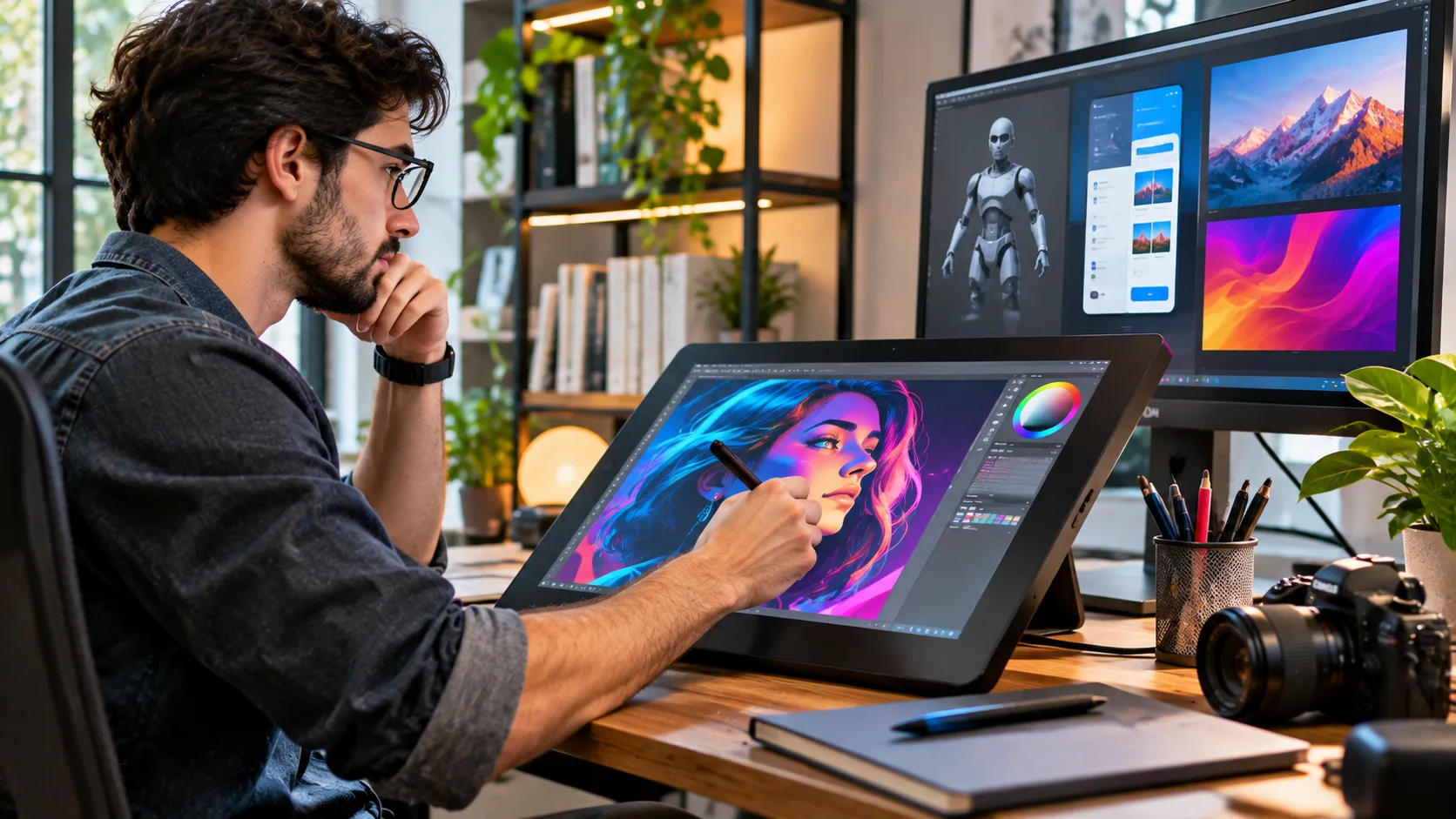
Digital design plays an important role in how people interact with websites, mobile applications, advertisements, and online platforms. From the layout of a shopping website to the graphics displayed on social media, digital design shapes modern visual experiences. It combines creativity, technology, and problem-solving to produce content that is both attractive and functional.
As businesses increasingly rely on digital platforms, the demand for skilled designers continues to evolve. Organizations need professionals who can create engaging visuals, improve user experiences, and communicate information clearly. Digital designers contribute to these goals by developing visual solutions that support business objectives and user needs.
What Is Digital Design?
Digital design is the process of creating visual content, layouts, and interactive experiences using digital technology. It includes designing websites, applications, digital advertisements, animations, and other screen-based materials. Designers combine visual elements such as typography, colors, images, and spacing to communicate information. Their goal is to create experiences that look appealing and serve a clear purpose.
Unlike traditional design, digital design often involves content that users can interact with directly. For example, a website visitor may click buttons, navigate menus, complete forms, or explore animated elements. These interactions require careful planning beyond visual appearance. Designers must consider usability, accessibility, and how different devices display their work.
Digital design also involves understanding the audience and the problem a project needs to solve. A successful design should help users find information, complete tasks, or understand a message without unnecessary difficulty. This makes research, testing, and feedback important parts of the creative process. Effective digital design connects visual communication with practical functionality.
Why Digital Design Matters in Today’s World
Digital design influences how people understand and interact with information online. Clear layouts, readable text, and thoughtful navigation make websites and applications easier to use. Poorly organized interfaces can create confusion, even when the underlying technology works correctly. Good design helps reduce these problems and supports positive user experiences.
Businesses use digital design to communicate their identity and connect with potential customers. Consistent branding across websites, emails, and social media can make an organization easier to recognize. Attractive visuals may capture attention, but clear messaging and usability are equally important. Together, these elements support effective digital communication and marketing.
Digital design also improves access to information when accessibility is considered from the beginning. Designers can use readable typography, sufficient color contrast, descriptive labels, and logical content structures. These choices help people with different abilities and devices engage with digital products. Inclusive design therefore supports both usability and broader audience participation.
Major Types of Digital Design
Digital design includes several specializations, each focused on different creative and technical requirements. Some designers develop websites and applications, while others create illustrations, animations, or advertising materials. The tools and working methods may differ, but many fundamental principles remain consistent. Understanding these categories can help beginners identify suitable career interests.
Web design focuses on the visual structure and presentation of websites. User interface design concentrates on interactive elements, while user experience design examines how people complete tasks. Graphic design creates visual communication materials for digital platforms. Motion design adds animation and movement to visual content.
Other areas include digital product design, three-dimensional modeling, and interactive media development. Some professionals specialize in a single discipline, while others combine multiple skills. The boundaries between design fields are not always fixed because projects often require collaboration. Choosing a specialization depends on personal interests, technical abilities, and professional goals.
Web Design and Responsive Website Layouts
Web design involves planning and creating the appearance, structure, and visual behavior of websites. Designers organize content through layouts, navigation systems, typography, colors, and interactive elements. Their work helps visitors understand a website and complete important actions. Effective web design considers both visual appeal and ease of use.
Responsive web design ensures that layouts adapt to different screen sizes and devices. A website should remain readable and functional on desktop computers, tablets, and smartphones. Designers often use flexible grids, scalable images, and adaptable navigation patterns. These techniques help create consistent experiences without requiring completely separate designs for every device.
Website designers frequently collaborate with developers, content writers, and digital marketing professionals. They may create wireframes, visual mockups, and interactive prototypes before development begins. This process helps identify potential usability issues early. A well-planned website combines attractive presentation with clear content and practical navigation.
User Interface Design and Interactive Elements
User interface design, commonly called UI design, focuses on the visual and interactive components of digital products. These components include buttons, menus, forms, icons, navigation bars, and other interface elements. UI designers determine how these features appear and behave. Their goal is to make digital interactions clear, consistent, and comfortable.
Consistency plays an important role in effective interface design. When similar buttons, colors, and labels follow predictable patterns, users can understand an interface more easily. Designers often create component libraries and design systems to maintain this consistency. These resources also help development teams implement interfaces more efficiently.
UI design requires attention to visual hierarchy, spacing, typography, and interaction feedback. For example, a button should communicate its purpose and indicate when it has been activated. Error messages should explain problems clearly without confusing users. Thoughtful interface details can make complex digital products feel more approachable.
User Experience Design and Human-Centered Thinking
User experience design, or UX design, focuses on how people experience a product or service. It examines whether users can complete tasks efficiently, understand available options, and achieve their goals. UX designers study user behavior and identify obstacles within digital experiences. Their work extends beyond visual appearance to overall usability.
Research is an important part of the UX design process. Designers may conduct interviews, surveys, usability tests, or observations to understand audience needs. They use these findings to develop user journeys, information structures, and prototypes. Testing proposed solutions helps determine whether designs address real problems.
UX and UI design are closely related but serve different purposes. UX design focuses on the overall experience, while UI design concentrates on specific visual and interactive elements. Many digital design projects require both disciplines to work together. A visually attractive interface is not necessarily effective unless people can use it successfully.
Digital Graphic Design for Branding and Marketing
Digital graphic design involves creating visual materials that communicate messages through online platforms. Common examples include social media graphics, display advertisements, digital brochures, presentation slides, and email visuals. Designers combine images, illustrations, typography, and colors to create recognizable compositions. These materials support communication, education, and promotional activities.
Brand identity is an important part of digital graphic design. Businesses often develop consistent visual elements such as logos, color palettes, typography, and imagery styles. Using these elements across different channels can strengthen brand recognition. Designers must also adapt materials to the requirements of individual platforms.
Marketing graphics should balance visual appeal with clear communication. Strong imagery may attract attention, but viewers also need to understand the intended message. Designers consider audience expectations, content priorities, and platform dimensions when developing materials. Effective graphics support marketing objectives without overwhelming viewers with unnecessary information.
Motion Graphics and Animation Design
Motion graphics use animated visual elements to communicate ideas, explain information, or create engaging experiences. They often combine typography, illustrations, shapes, and transitions into moving compositions. Common applications include promotional videos, animated advertisements, and educational explainers. Motion design can make complex information easier to follow when movement serves a clear purpose.
Animation principles help designers create movement that feels controlled and understandable. Timing, spacing, transitions, and visual continuity influence how viewers interpret animated content. Designers may develop storyboards before creating the final animation. This planning helps organize scenes and maintain a consistent visual direction.
Motion design also appears within websites and mobile applications. Small animations can indicate loading progress, confirm completed actions, or guide attention toward important information. However, excessive movement can distract users and create accessibility concerns. Effective motion design considers purpose, performance, and user preferences for reduced animation.
Three-Dimensional and Interactive Digital Design
Three-dimensional digital design involves creating objects, environments, and visual scenes using specialized software. Designers work with shapes, materials, lighting, textures, and virtual cameras to develop realistic or stylized visuals. These assets may appear in games, product demonstrations, advertisements, and architectural presentations. The field combines artistic thinking with technical processes.
Interactive design adds user participation to digital experiences. Instead of viewing static content, users may explore environments, manipulate objects, or make choices that change what appears on screen. This approach is common in games, educational simulations, and certain product demonstrations. Designers must consider both visual presentation and interaction behavior.
Technologies such as augmented reality and virtual reality create additional opportunities for interactive experiences. Designers working in these areas may need to understand spatial interfaces, three-dimensional navigation, and user comfort. Technical requirements can be more complex than those of ordinary screen-based graphics. Successful projects often require collaboration between designers, developers, and other specialists.
Popular Digital Design Tools and Software
Digital designers use different software applications depending on their specialization and project requirements. Interface designers frequently work with Figma to create layouts, reusable components, and interactive prototypes. Graphic designers may use Adobe Photoshop for image editing and Adobe Illustrator for vector artwork. These tools support different stages of visual development.
Motion designers often use Adobe After Effects, while three-dimensional artists may work with Blender or similar applications. Canva provides accessible tools for creating presentations, social media graphics, and other visual materials. Some design platforms also include collaboration features that support team workflows. The most suitable software depends on the intended output.
Learning every design application is unnecessary when beginning a digital design career. It is usually more productive to understand fundamental principles before exploring multiple tools. Beginners can choose one application that matches their main interests and practice consistently. Strong design judgment remains valuable even when software features and industry preferences change.
Essential Skills Every Digital Designer Needs
Visual communication is one of the most important skills in digital design. Designers must understand how layout, color, typography, and imagery influence the way people interpret information. They also need to organize content so important details receive appropriate attention. These abilities help turn complex ideas into understandable visual experiences.
Problem-solving and critical thinking are equally important because design projects often involve competing requirements. A designer may need to balance business goals, user expectations, accessibility, and technical limitations. Research and feedback help guide decisions rather than relying entirely on personal preferences. Clear reasoning makes design solutions easier to explain and improve.
Communication and collaboration are essential in professional design environments. Designers frequently work with developers, marketers, project managers, and clients who have different priorities. They must present ideas clearly, respond constructively to feedback, and manage project expectations. Strong teamwork helps creative concepts become practical digital products.
Understanding Color, Typography, and Visual Hierarchy
Color influences how digital interfaces communicate information and establish visual relationships. Designers use color to differentiate elements, support brand identity, and draw attention to important actions. However, color choices should also maintain sufficient contrast and accessibility. Relying on color alone to communicate essential information can create usability problems.
Typography affects readability, visual tone, and content organization. Font selection, text size, line spacing, and paragraph structure influence how easily users can understand written information. Designers should prioritize legibility over decorative complexity, especially for important instructions. Consistent typography can also create a recognizable visual identity across digital platforms.
Visual hierarchy helps users recognize which information deserves attention first. Designers establish hierarchy through differences in size, placement, spacing, contrast, and grouping. Clear headings, organized sections, and purposeful whitespace make content easier to scan. A strong visual hierarchy supports both attractive presentation and efficient information discovery.
The Digital Design Process From Idea to Final Product
Most digital design projects begin with understanding the problem and defining clear objectives. Designers gather information about the audience, project requirements, technical constraints, and desired outcomes. This discovery stage may involve research, stakeholder discussions, and competitor reviews. Establishing realistic goals helps guide later design decisions.
The next stage usually involves developing concepts, wireframes, or initial visual drafts. Wireframes show how information and interface elements may be organized without requiring finished graphics. Designers then refine layouts, colors, typography, and interactions into more detailed designs. Prototypes may be created to demonstrate how the product will function.
Testing and revision are important before a design reaches its final form. User feedback can reveal confusing navigation, unclear instructions, or accessibility issues that were not obvious during development. Designers update their work based on these findings and project requirements. Even after launch, digital products may require improvements as user needs change.
Digital Design vs. Graphic Design: Key Differences
Digital design and graphic design share many visual communication principles, but their applications can differ. Graphic design traditionally covers visual materials such as logos, posters, packaging, and publications. Digital design focuses on outputs created for digital environments, including interfaces, websites, and interactive media. However, modern graphic designers frequently create digital content as well.
One major difference involves the possibility of interaction. A printed poster generally presents information in a fixed format, while a digital interface allows users to navigate and respond. Digital designers may therefore consider usability, responsive layouts, animation, and interactive behavior. These requirements extend beyond the visual composition of static materials.
The two disciplines overlap in branding, advertising, typography, and visual storytelling. A professional may create both printed materials and digital marketing assets using similar design techniques. Understanding foundational graphic design principles benefits many digital specialists. Career boundaries depend more on actual responsibilities than job titles alone.
Career Opportunities in Digital Design
Digital design offers career paths across technology, advertising, entertainment, education, and other industries. Common positions include web designer, UI designer, UX designer, digital graphic designer, and motion graphics designer. Some professionals specialize in digital product design or three-dimensional visualization. Each position requires a different combination of creative and technical skills.
Digital designers may work for agencies, technology companies, marketing departments, or independent clients. Some roles focus on a single product, while others involve multiple projects across different industries. Remote collaboration is possible for many digital design activities, depending on employer requirements. Freelance work can also provide opportunities to develop experience and manage individual projects.
Career progression often involves developing specialized expertise and stronger project management abilities. Experienced designers may become senior designers, design leads, creative directors, or design managers. Others move into design research, strategy, or consulting. Professional growth depends on practical results, collaboration skills, and the ability to solve increasingly complex problems.
How to Become a Digital Designer
Starting a digital design career begins with understanding basic visual principles and selecting an area of interest. Beginners can explore web design, interface design, graphic design, or animation before choosing a specialization. Free learning resources, structured courses, and practice projects can help build foundational knowledge. Formal education can be valuable but is not the only entry route.
Hands-on practice is essential because employers and clients often evaluate practical design abilities. Beginners can redesign sample website pages, create fictional brand materials, or develop simple application interfaces. These projects provide opportunities to apply typography, layout, and usability principles. Feedback from experienced designers can help identify areas for improvement.
Building a portfolio is an important step toward professional opportunities. A useful portfolio demonstrates finished work alongside explanations of the design problem, process, and decisions. Quality and clarity are generally more valuable than including numerous unrelated examples. Consistent practice and thoughtful project documentation can support career development.
Common Challenges in Digital Design
One common challenge involves balancing visual creativity with usability and accessibility. A highly decorative interface may look impressive but make important actions difficult to find. Designers must understand when visual elements improve communication and when they create unnecessary complexity. Testing helps identify whether a design meets practical user needs.
Technical limitations can also affect how digital concepts are developed and implemented. Different devices, browsers, screen sizes, and performance requirements influence design decisions. Designers often work with developers to adapt creative ideas to realistic constraints. Flexibility and clear communication are essential during this process.
Another challenge involves responding to changing tools, trends, and user expectations. Design software evolves, while organizations regularly introduce new digital platforms and workflows. Professionals need to continue learning without abandoning established design principles. A strong understanding of visual communication remains useful even as technology changes.
Future Trends in Digital Design
Artificial intelligence is increasingly influencing digital design workflows through tools that assist with brainstorming, image creation, and repetitive tasks. These capabilities may help designers explore ideas and complete certain production activities. However, human judgment remains important for understanding user needs, evaluating quality, and making responsible decisions. AI-generated outputs still require careful review.
Accessibility and inclusive design are also becoming important considerations across digital products. Designers are increasingly expected to consider different abilities, devices, and interaction preferences. Clear navigation, readable content, and flexible interface behavior can improve experiences for broader audiences. Inclusive practices are most effective when integrated throughout the design process.
Emerging technologies may create additional opportunities in immersive interfaces, interactive environments, and personalized digital experiences. At the same time, businesses continue to need reliable websites, understandable applications, and effective visual communication. Designers who combine foundational skills with adaptability can respond to changing requirements. Long-term success depends on solving meaningful problems rather than following every trend.
Conclusion
Digital design combines creativity, visual communication, and technology to create useful content and interactive experiences. It includes several disciplines, such as web design, UI and UX design, digital graphics, animation, and three-dimensional visualization. Each specialization contributes to how people understand and interact with digital products.
Developing strong digital design skills requires more than learning software applications. Designers need an understanding of typography, color, layout, accessibility, and user-centered problem-solving. Practical projects, feedback, and continuous learning help transform theoretical knowledge into professional abilities.
For anyone considering a creative career, digital design offers several paths worth exploring. Beginners can start with foundational principles, choose an area of interest, and build a portfolio through meaningful practice. With patience and consistent skill development, digital designers can contribute to useful products and engaging visual experiences.
Frequently Asked Questions
What Is Digital Design in Simple Words?
Digital design is the process of creating visual content and interactive experiences for electronic platforms. It includes websites, mobile applications, digital advertisements, graphics, and animations developed using design software and digital technology.
What Are the Main Types of Digital Design?
Common types include web design, UI design, UX design, digital graphic design, motion graphics, and three-dimensional design. Each specialization focuses on different aspects of digital communication, visual presentation, or interaction.
What Software Do Digital Designers Use?
Digital designers commonly use Figma, Adobe Photoshop, Illustrator, After Effects, Blender, and Canva. The most suitable software depends on whether the work involves interfaces, image editing, vector graphics, animation, or three-dimensional content.
Is Digital Design a Good Career?
Digital design can offer opportunities across technology, marketing, media, and creative industries. Career prospects depend on specialization, practical skills, portfolio quality, location, and market conditions. Continuous learning can support professional growth.
Can I Learn Digital Design Without a Degree?
Yes, digital design can be learned through online courses, tutorials, independent practice, and portfolio projects. A formal degree may help in some careers, but demonstrated skills and strong work samples are also valuable.